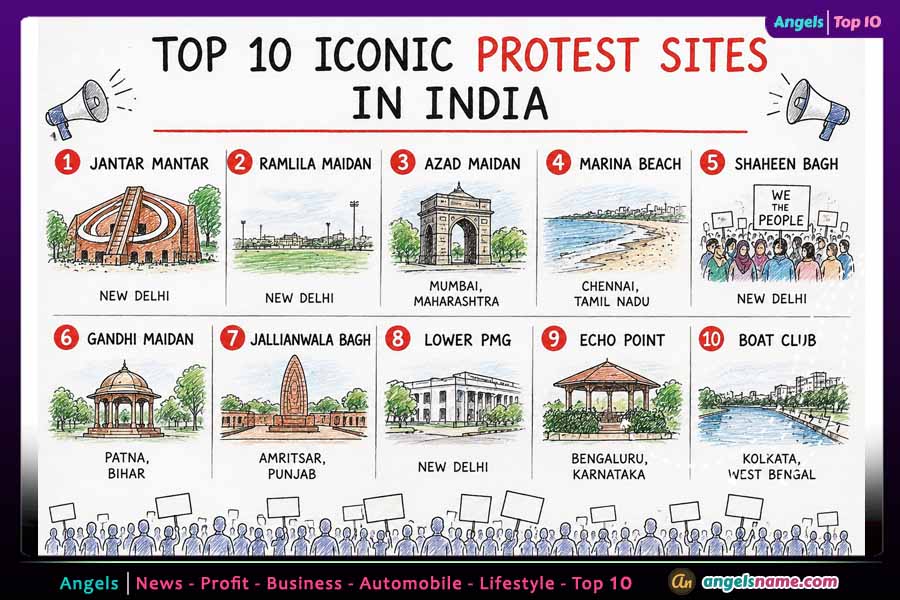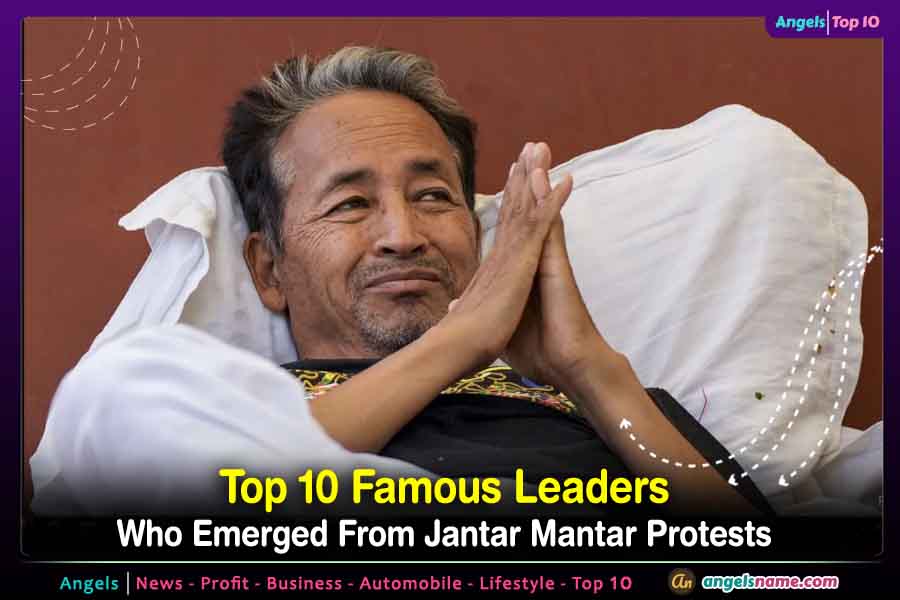
Over the decades, thousands of rallies, fasts, and demonstrations at this landmark have amplified public discontent and reshaped national policies. Beyond legislative impact, this iconic street-protest arena served as the ultimate launchpad for several activists and social reformers who rose to national prominence across Indian political and legal discourse.
Having watched these movements unfold over the years, I find it fascinating how a physical location can completely alter a nation's political trajectory. It reminds us that real grassroots leadership isn't born in cozy offices, but through public accountability, sheer grit, and the collective voice of citizens seeking true social change.
 Join AngelsName on WhatsApp
At a Glance: Top 10 Leaders
| # | Leader Name | Key Movement / Protest | Current Profile / Role | Key Impact |
|---|---|---|---|---|
| 1 | Arvind Kejriwal | 2011 India Against Corruption | Former Chief Minister of Delhi | Transitioned from bureaucracy to found Aam Aadmi Party. |
| 2 | Manish Sisodia | 2011 Anti-Corruption Movement | Senior Political Leader | Key strategist in public campaigns & education reform. |
| 3 | Kiran Bedi | 2011 Anti-Corruption Movement | Former Lt. Governor of Puducherry | India's 1st female IPS turned prominent social voice. |
| 4 | Atishi | Public Policy & Student Activism | Senior Cabinet Minister | Transformed the public education model in Delhi. |
| 5 | Sanjay Singh | Anti-Corruption & Public Rights | Member of Parliament (Rajya Sabha) | Rose from grassroots activism to parliamentary debate. |
| 6 | Chandra Shekhar Azad | Dalit Rights & Social Justice | Member of Parliament & Bhim Army Chief | Built massive youth base focused on constitutional rights. |
| 7 | Prashant Bhushan | Jan Lokpal Bill & Anti-Corruption | Senior Supreme Court Advocate | Championed legal reforms and PIL accountability. |
| 8 | Kumar Vishwas | 2011 Anti-Corruption Movement | Renowned Poet & Public Orator | Mobilized youth through powerful protest poetry. |
| 9 | Kanhaiya Kumar | Student Rights & Employment | Political Leader & Youth Icon | Transitioned from student politics to national campaigns. |
| 10 | Sonam Wangchuk | Climate Action & Ladakhi Rights | Engineer & Social Reformer | Led hunger strikes for Ladakhi ecology & 6th Schedule. |
Detailed Breakdown of the 10 Prominent Leaders
1. Arvind Kejriwal
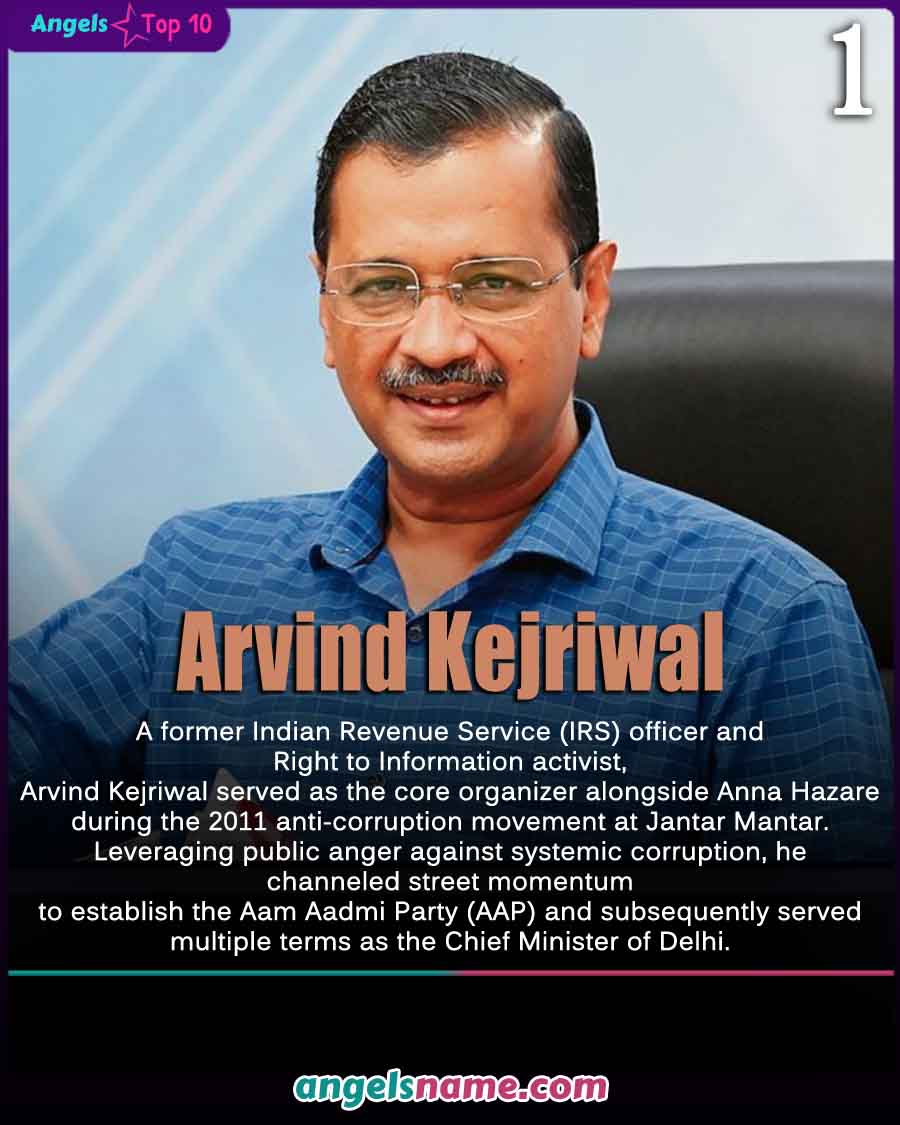
A former Indian Revenue Service (IRS) officer and Right to Information activist, Arvind Kejriwal served as the core organizer alongside Anna Hazare during the 2011 anti-corruption movement at Jantar Mantar. Leveraging public anger against systemic corruption, he channeled street momentum to establish the Aam Aadmi Party (AAP) and subsequently served multiple terms as the Chief Minister of Delhi.
- Background: Ex-IRS Officer & RTI Activist
- Turning Point: 2011 Jan Lokpal Movement
- Political Outcome: Founder of AAP
- Key Legacy: Bureaucracy to Governance
2. Manish Sisodia

Beginning as a journalist and grassroots reformer, Manish Sisodia co-organized the Right to Information movement and managed ground operations during the massive anti-corruption rallies at Jantar Mantar. He transitioned into mainstream governance as Delhi's Deputy Chief Minister, earning widespread national recognition for restructuring public school education.
- Background: Journalist & Field Activist
- Turning Point: Anti-Corruption Operations
- Major Role: Former Deputy CM of Delhi
- Key Legacy: Education System Overhaul
3. Kiran Bedi
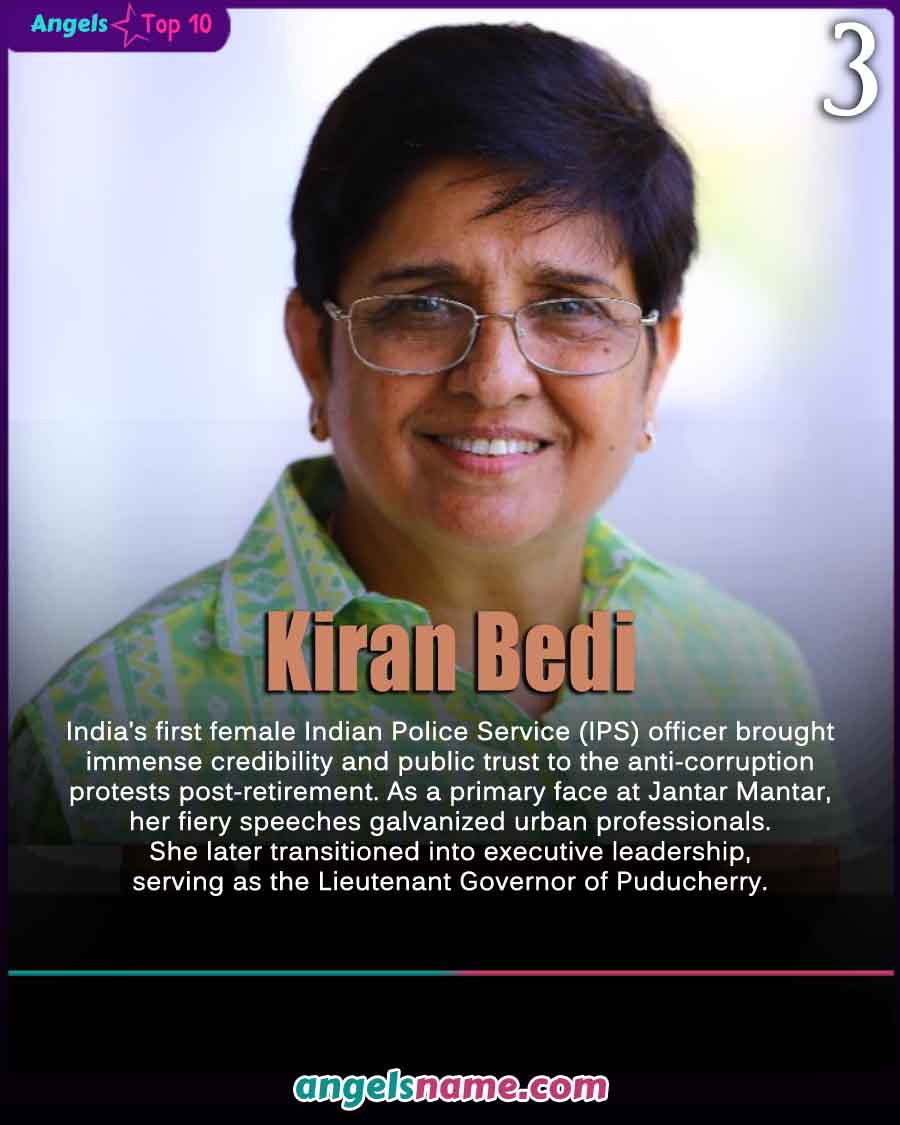
India’s first female Indian Police Service (IPS) officer brought immense credibility and public trust to the anti-corruption protests post-retirement. As a primary face at Jantar Mantar, her fiery speeches galvanized urban professionals. She later transitioned into executive leadership, serving as the Lieutenant Governor of Puducherry.
- Background: First Female IPS Officer
- Turning Point: Post-Retirement Activism
- Governance: Ex-Lt. Governor of Puducherry
- Key Legacy: Administrative Integrity
4. Atishi

An Oxford University alumnus and educator, Atishi engaged in civic activism and policy drafting during major public protests at Jantar Mantar. Her deep involvement in public accountability led to key policy roles, eventually shaping Delhi’s public school model before she assumed key cabinet portfolios in the state government.
- Background: Oxford Scholar & Educator
- Turning Point: Policy Drafting in Protests
- Current Role: Senior Cabinet Minister
- Key Legacy: Education Policy Frameworks
5. Sanjay Singh

Emerging as a dedicated grassroots activist, Sanjay Singh managed ground-level volunteer networks and logistical challenges during prolonged street rallies at Jantar Mantar. His organizational skills propelled him to national political prominence, eventually leading to his election as a vocal Member of Parliament in the Rajya Sabha.
- Background: Social Worker & Strategist
- Turning Point: Street Mobilization
- Parliamentary Role: Rajya Sabha MP
- Key Legacy: Grassroots Debater
6. Chandra Shekhar Azad ('Ravan')

Lawyer and co-founder of the Bhim Army, Chandra Shekhar Azad organized massive demonstrations at Jantar Mantar demanding constitutional protection and rights for marginalized communities. His high-voltage rallies established a formidable youth base, leading to the creation of the Azad Samaj Party and securing his place in the Lok Sabha.
- Background: Lawyer & Bhim Army Chief
- Turning Point: Dalit Rights Rallies
- Current Role: Member of Parliament (Lok Sabha)
- Key Legacy: Youth & Social Justice Mobilization
7. Prashant Bhushan

As a renowned Supreme Court lawyer, Prashant Bhushan served as the legal architect for drafting the Jan Lokpal Bill during the 2011 street movements. Rather than taking up electoral office, he continues to use his platform at Jantar Mantar and the apex court to file influential Public Interest Litigations (PILs) for transparency.
- Background: Senior Public Interest Lawyer
- Turning Point: Legal Drafting for Jan Lokpal
- Primary Sphere: Supreme Court Litigation
- Key Legacy: Institutional Accountability
8. Kumar Vishwas

A university professor and Hindi poet, Kumar Vishwas utilized protest poetry, fiery rhetoric, and patriotic songs at the Jantar Mantar stage to capture youth sentiment. His memorable addresses helped turn dry policy demands into a widespread cultural phenomenon, propelling him to global popularity as a renowned orator.
- Background: Academic & Hindi Poet
- Turning Point: Protest Rhetoric at Jantar Mantar
- Current Profile: Acclaimed Cultural Orator
- Key Legacy: Youth Engagement through Art
9. Kanhaiya Kumar

Rising through student politics as President of the JNUSU, Kanhaiya Kumar addressed vast student gatherings at Jantar Mantar focused on public employment, academic freedom, and civil liberties. His fiery speeches facilitated a smooth transition from university union politics into high-visibility national campaigns with the Indian National Congress.
- Background: Former JNUSU President
- Turning Point: Student & Youth Rallies
- Current Role: National Youth Campaigner
- Key Legacy: Student Union to National Politics
10. Sonam Wangchuk
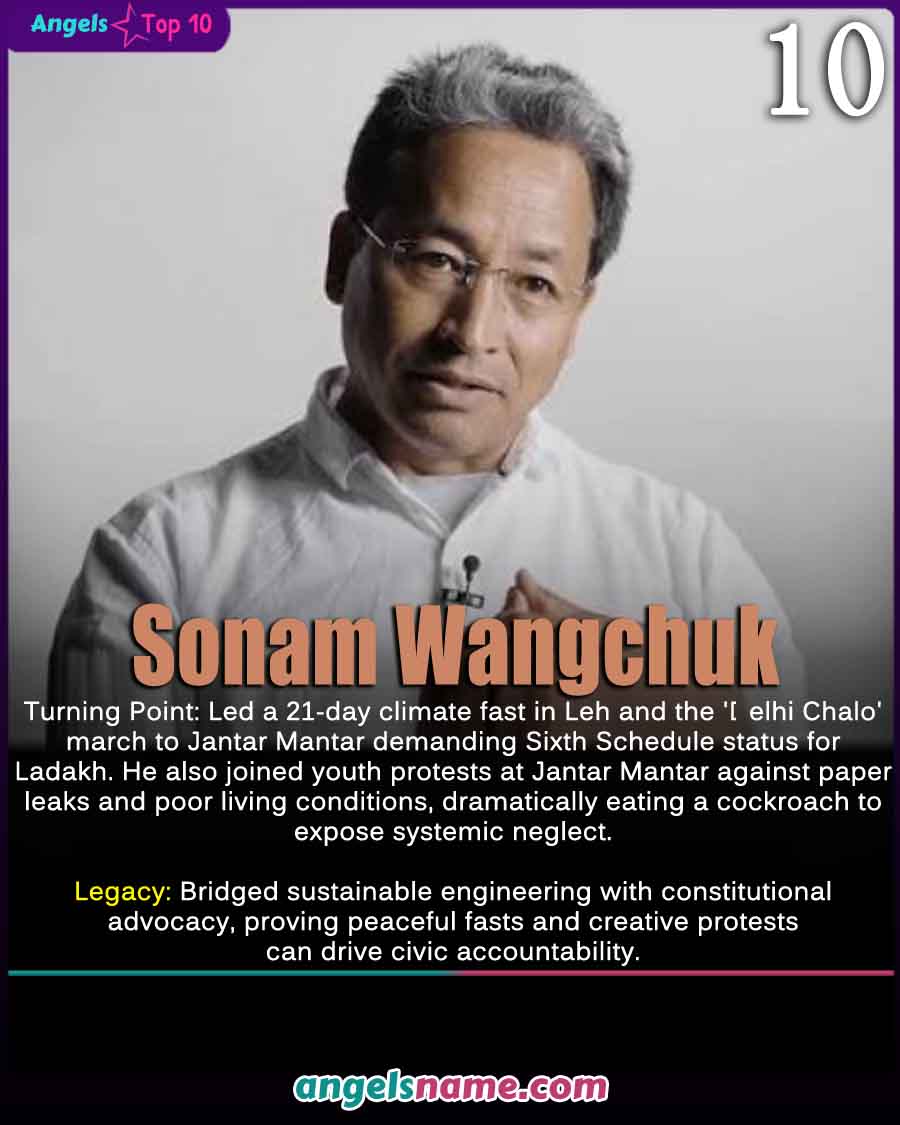
Turning Point: Led a groundbreaking 21-day climate fast in Leh, followed by the 'Delhi Chalo' Climate March to New Delhi. He brought ecological activism directly to Jantar Mantar and surrounding capital sites, demanding environmental protections and Sixth Schedule status for Ladakh. Beyond climate causes, he joined student demonstrations at Jantar Mantar to address systemic youth issues—symbolically consuming a cockroach during a public protest to highlight the dire living conditions, systemic neglect, and rampant exam paper leaks affecting job seekers.
Legacy: Widely respected for bridging sustainable engineering with constitutional advocacy, proving that peaceful hunger strikes and creative public demonstrations remain potent tools for civic accountability.
- Background: Engineer & Innovator
- Turning Point: Ladakhi Climate Fasts
- Focus Area: Environmental & Sixth Schedule Rights
- Key Legacy: Eco-Justice Advocacy
Biranchi Narayan's Perspective: The Power of Democratic Spaces
The protests at Jantar Mantar demonstrate the enduring strength of democratic expression in India. What frequently begins as a localized gathering for policy reform can transform into a national movement, giving rise to figures who shape the country's governance, legal landscape, and social discourse. Looking back at these ten leaders, it becomes clear that Jantar Mantar isn't just a physical monument—it is a living proving ground for leadership where passion meets real-world accountability.