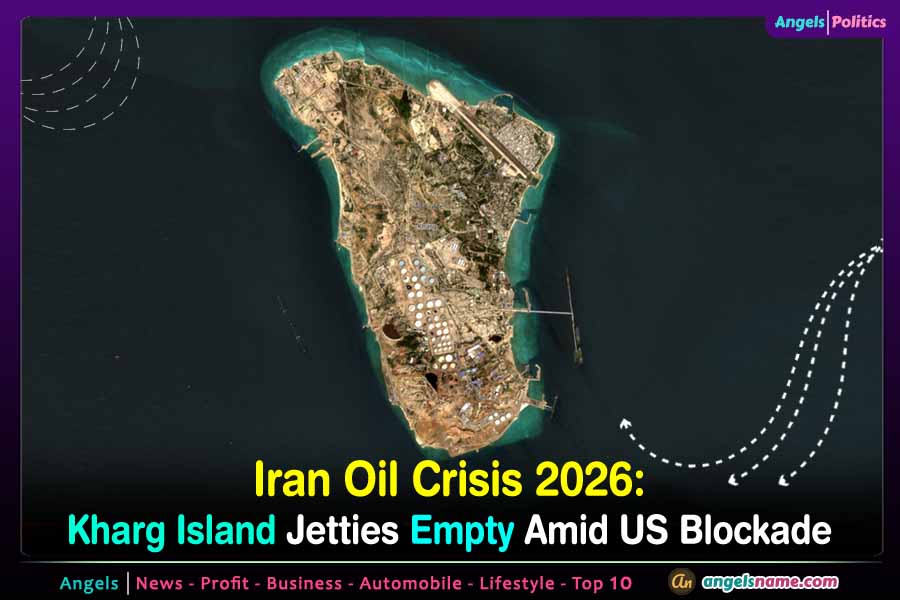
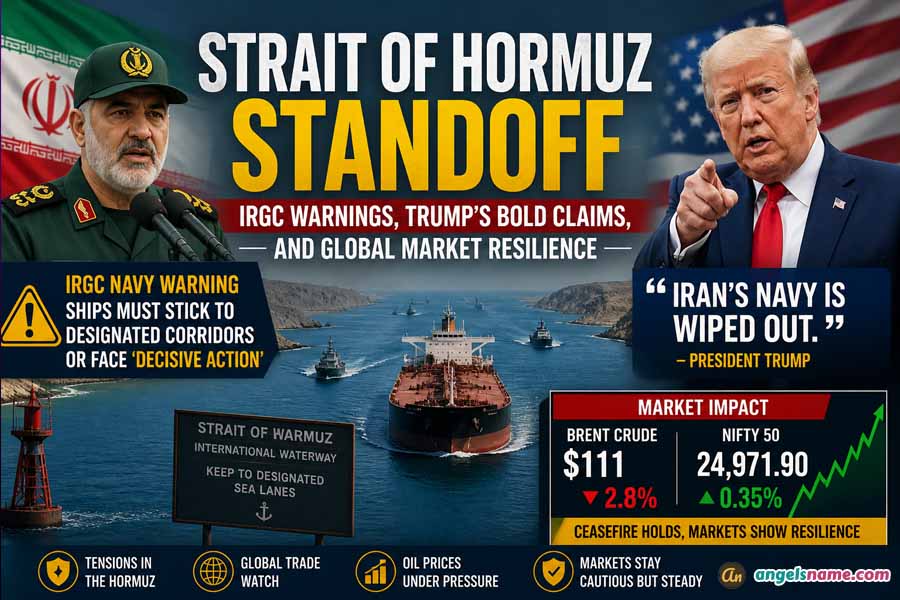
The Iran conflict has throttled essential flows through the Persian Gulf, forcing nations to dig deep into their emergency caches. Morgan Stanley data reveals that between March 1 and April 25, the drawdown far exceeded any previous quarterly peak recorded by the IEA, leaving the global energy system dangerously vulnerable to further supply shocks.
As I track these market movements, it's clear we are entering a "red zone" for energy security. When US reserves hit 1982 lows and Asian neighbors like Pakistan and Indonesia report imminent shortages, it’s a wake-up call for every investor. We aren't just seeing high prices; we are seeing the exhaustion of our global safety net.
 Join AngelsName on WhatsApp
Global Stockpiles: The Shrinking Buffer
As the Strait of Hormuz remains near-closed, the "shock absorber" of the global oil system is failing. JPMorgan warns that we could hit "operational stress levels" by early next month, meaning there will barely be enough oil to keep pipelines and storage tanks functioning properly.
- Daily Drawdown: 4.8 Million Barrels
- US Crude Status: Lowest since 1982
- Japan/India: 10-year seasonal lows
- Europe: Jet fuel at 6-year low
Critical Stress Points by Region
| Region / Country | Resource at Risk | Current Situation |
|---|---|---|
| Pakistan & Indonesia | Gasoline / Refined Products | Imminent shortages; hit "tank bottoms" soon. |
| India | LPG & Crude | State refiners burning through sizable stocks. |
| Europe (UK, Germany) | Jet Fuel | Stocks down 1/3rd; critical by June. |
| United States | Distillates & SPR | Distillates at lowest point since 2005. |
The "Operational Minimum" Danger
It is a common misconception that inventories can go to zero. In reality, the system hits an "operational minimum" where storage tanks and export terminals stop functioning properly. JPMorgan Chase & Co. predicts this floor could be reached by September if current trends continue.
Biranchi Narayan's Market Analysis
The record-fast depletion of inventories means the market will remain volatile long after the conflict ends. We are likely to see a "restocking phenomenon" post-war, where countries rush to refill Strategic Petroleum Reserves (SPRs), creating a massive secondary layer of demand that could keep prices elevated for years. For now, June-July remains the critical window for import-dependent nations.