Why Do Sikhs Wear Turbans?
The turban is one of the most recognizable parts of Sikh identity, and it holds both practical and spiritual significance. For Sikhs, wearing a turban is not just about tradition but also about honoring their beliefs and the teachings of their Gurus.
The History and Purpose of the Turban
In history, the turban served as much more than a head covering. During battles, it acted as a flexible helmet, protecting Sikhs from weapons such as arrows, swords, and spears. The turban helped keep long hair out of the way, and it made it harder for an enemy to grab it.

image: World War II and Sikh Soldiers, (source)
Even today, many believe that a turban offers more protection than a motorcycle helmet, especially when it comes to safeguarding the head from injury.
The Sikh Dress Code
The Sikh code of conduct requires that all Sikhs maintain their hair in its natural, uncut form, known as "kes." This is an important part of the Sikh faith. A Sikh's hair is seen as a gift from God, and they are taught to honor it by keeping it intact. Both Sikh men and women are encouraged to wear a head covering, but traditionally, Sikh men wear a turban, while Sikh women may choose between wearing a turban or a headscarf.
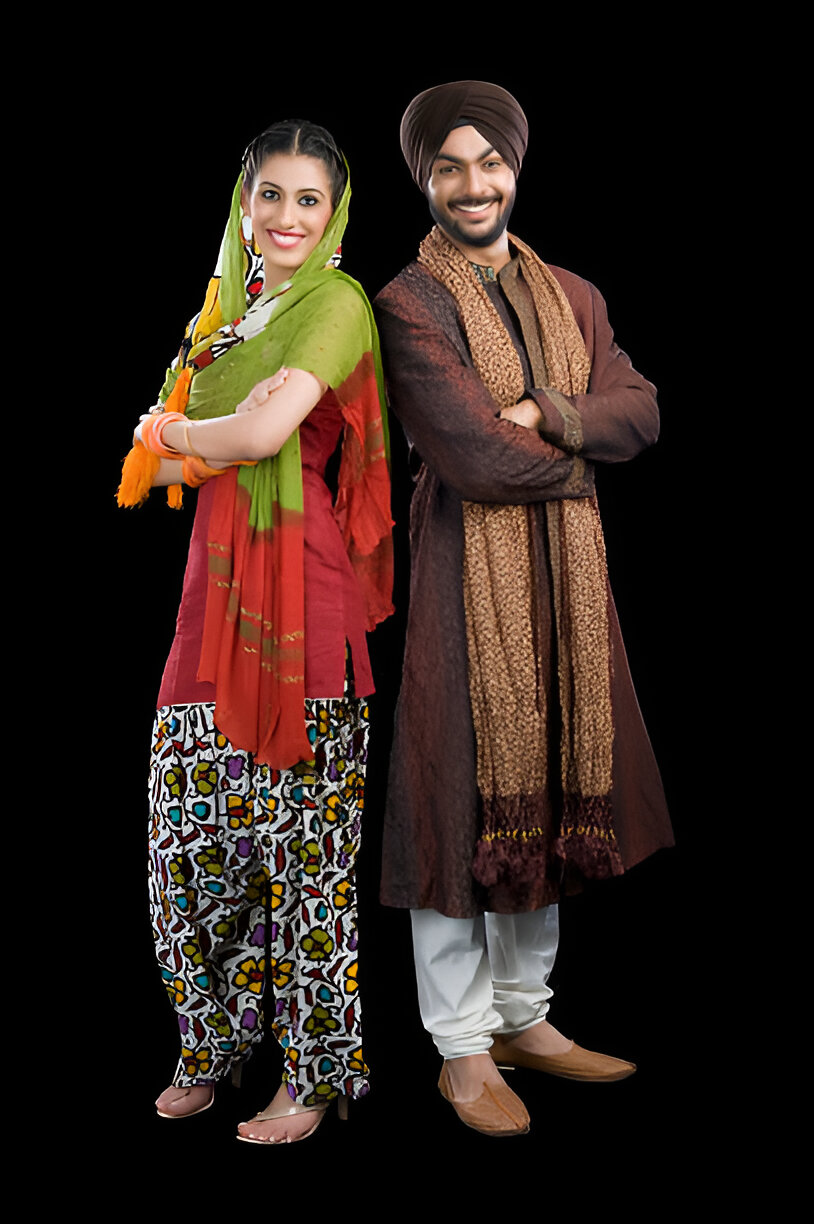
image: istock
Covering the hair with a turban has many benefits. It helps to keep the hair clean and protected from pollutants, like dust or smoke. It also eliminates the pressure to conform to the latest fashion trends, allowing a Sikh to focus on spiritual growth and worship rather than outward appearance.
Spiritual Meaning of the Turban
The turban is not only a way to manage hair but also has deep spiritual significance. When a Sikh is initiated into the Khalsa (the community of pure Sikhs), their hair is considered sacred. The hair, or "kes," is kept covered with a turban to protect it and keep it from being exposed to dirt and harm. By covering the hair, Sikhs are reminded to keep their minds focused on spirituality and to avoid vanity.

image: istock
For Sikhs, the turban is also a symbol of humility, equality, and sovereignty. In the past, only royalty or warriors wore turbans, but Sikh Gurus changed this by making the turban a symbol for everyone. Regardless of a person’s social status, the turban represents equality and the shared identity of all Sikhs.
The Daily Routine of Wearing a Turban
Tying a turban is an important daily ritual for Sikhs. It is done carefully every morning, and when it is removed, it must not touch the ground. The turban is cleaned, stretched, and folded neatly for the next use. Maintaining the turban is a practice of discipline and respect for one's appearance and spirituality.

image: The Daily Routine of Wearing a Turban, (source)
Before tying the turban, Sikhs use a wooden comb called a "kanga" to detangle their hair, and some apply oil to it. The hair is then twisted into a knot or coil on the top of the head, called a "joora," which is secured with the kanga. Some Sikhs wear an extra cloth, known as a "keski," over the joora for added protection.
Turban Styles and Colors
Turbans come in various styles, lengths, and colors, each reflecting the wearer's personal choice, religious belief, or cultural background. Some Sikhs wear longer turbans for formal occasions, while shorter ones are common for daily wear. The colors of turbans can also have significance. For example, blue and orange are commonly worn by Sikhs to represent their devotion, while red turbans are often seen at weddings.
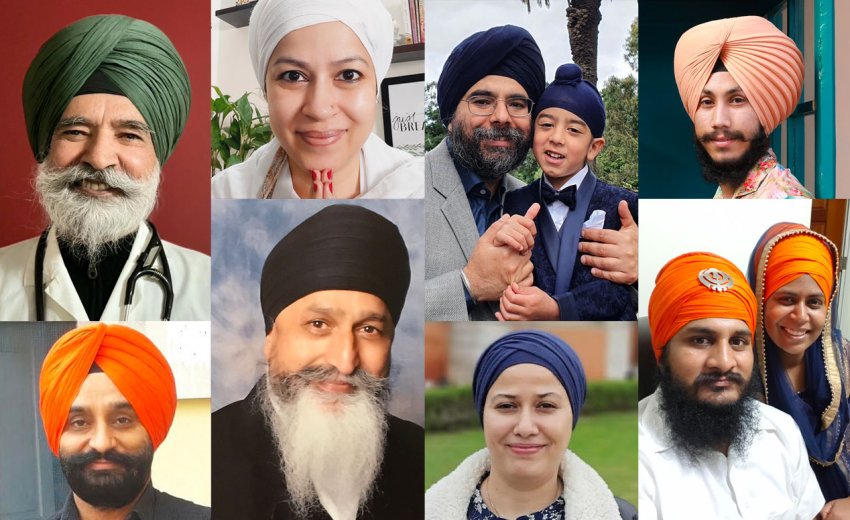
image: Turban Styles and Colors, (source)
Turbans are made from different fabrics, ranging from lightweight materials to heavier ones, depending on the weather and occasion. Some Sikhs also wear decorative items in their turbans, such as pins, beads, or small ceremonial swords, called "kirpans," reflecting their martial tradition and commitment to protection.

image: Turban Styles and Colors, (source)
Why the Turban is Important
For Sikhs, the turban is more than just a head covering. It is a symbol of their faith, equality, and pride. It helps Sikhs express their spiritual commitment and their desire to live by the teachings of their Gurus. The turban also provides protection from the elements, and it serves as a reminder of the shared identity of all Sikhs.

While wearing a turban is not required for all Sikhs, those who choose to do so are embracing a deep spiritual tradition and expressing their devotion. The turban continues to be a powerful and meaningful part of Sikh life, honoring their past, their beliefs, and their commitment to the values of equality and service to others.
The turban is not just about tradition—it's about standing strong in one’s beliefs and embracing the teachings of Sikhism every day.
 Connect with us on WhatsApp